





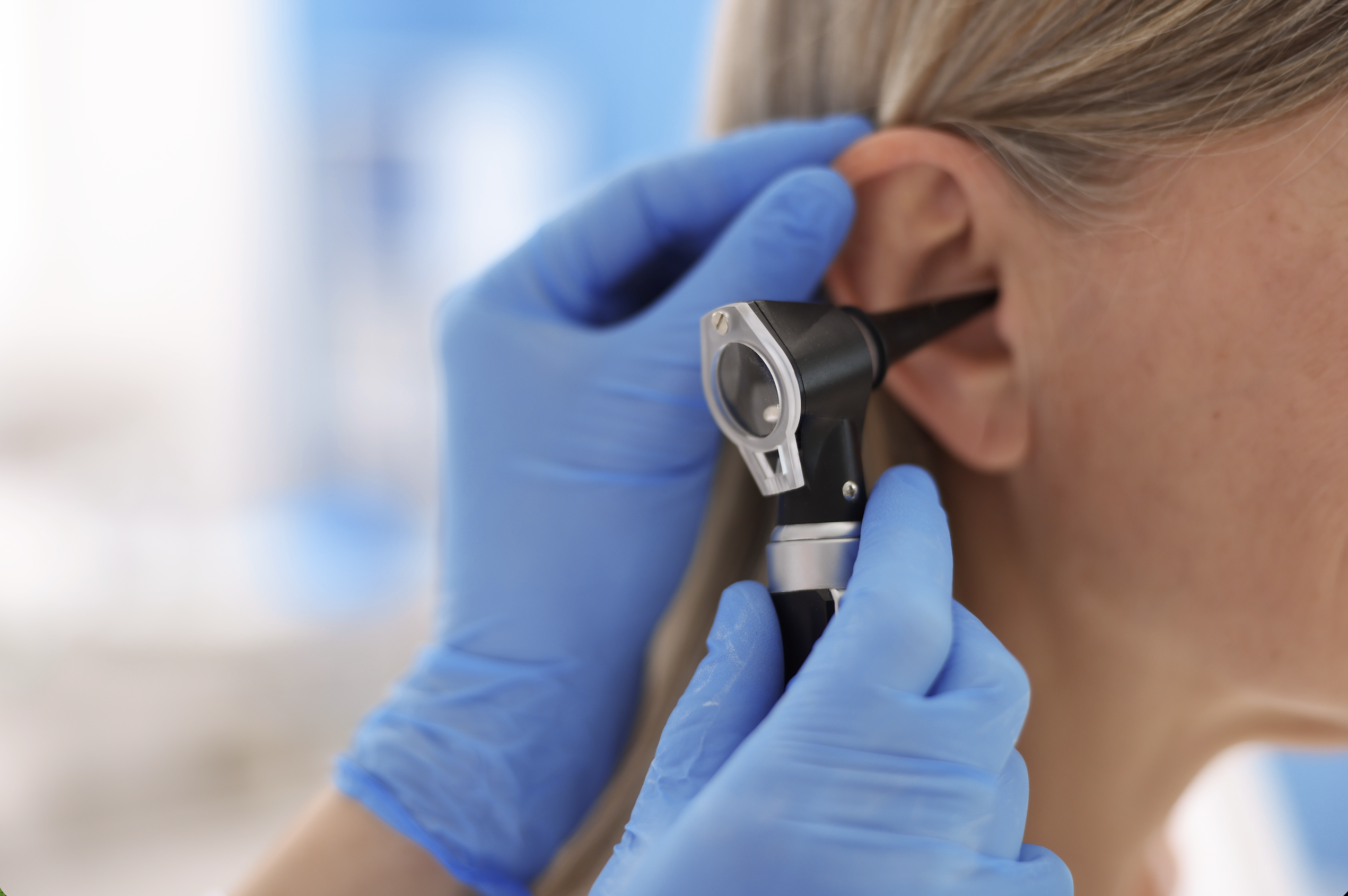
Earwax: How to Take Proper Care of Your Ears
Many people feel the urge to remove earwax as soon as they notice it. However, earwax is completely normal and actually plays an important role in maintaining ear health.
What Is Earwax For?
Earwax, commonly known as “ear wax,” is a substance naturally produced in the ear canal. It helps protect and lubricate the ear canal and contributes to the ear’s natural self-cleaning process.
In most cases, earwax gradually moves toward the outer ear, largely thanks to jaw movements, and is naturally expelled.
When Does Earwax Become a Problem?
Sometimes, earwax can build up and form a blockage. This may be associated with symptoms such as a feeling of fullness in the ear, reduced hearing, tinnitus, or itching.
People who wear hearing aids may also need to pay particular attention to earwax buildup, as it can sometimes affect the performance of certain hearing aid components.
Cleaning Your Ears: Be Careful with Cotton Swabs
Although cotton swabs are commonly used to clean the ears, inserting a cotton swab or any other object into the ear canal is strongly discouraged. Doing so can push earwax deeper into the ear and may even cause a perforated eardrum.
For everyday ear care, it is best to avoid placing any objects inside the ear canal. If you have questions about ear care or earwax buildup, do not hesitate to consult a healthcare professional or your hearing care professional.
Think You May Have an Earwax Blockage?
If you experience a feeling of fullness in the ear, reduced hearing, or any other discomfort, it is best to consult a healthcare professional to determine the cause of your symptoms and the most appropriate course of action. Recommendations may vary depending on your situation and any existing health conditions.
Our hearing care professionals can also provide guidance and support based on your hearing needs.